Man With Van in Plaistow
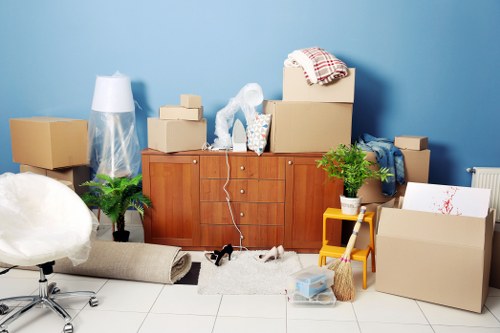
We provide man with van removals in Plaistow for households and businesses that need a practical way to move furniture, boxes and mixed belongings. The service is suited to lighter moves, single-item transport and local deliveries where a full lorry may be unnecessary. It can also support customers who want help loading, carrying and securing items, rather than hiring a van alone and managing every stage themselves.
Our work is focused on safe handling, sensible planning and straightforward communication. Depending on the job, that may include careful lifting of awkward items, protection for corners and surfaces, and arranging the load so it travels securely. For larger or more complex moving plans, we can discuss the most appropriate approach and point you towards removal services that suit the scale of the task.
If you are comparing options for a move in Plaistow, tell us what needs moving and when you would like it done. A clear outline helps us assess access, volume and the type of vehicle that may be needed. You can also contact us for a quotation once you have the basic details together.
Everyday moving support
Man and van work is often chosen because it gives customers flexibility without the formality of a larger removal schedule. It works well for furniture bought privately, student possessions, shared-flat moves, storage runs and smaller home clearances. The main aim is simple: move useful items efficiently while keeping the process organised and the loading sequence easy to follow. That combination is especially helpful when the job involves more than one stop, a narrow entrance or several awkward pieces.
We can handle many typical domestic items, including wardrobes, tables, chairs, drawers, mattresses, boxed household goods and small appliances, provided they are suitable for transport and lifting. The service is not limited to one type of property. It can support ground-floor pickups, upper-floor collections and mixed loads where a customer wants one vehicle and one point of contact rather than several separate arrangements. If you need a broader solution for a full property move, our home moves page explains that type of work in more detail.
Typical man with van jobs often benefit from a simple plan. Useful details usually include the collection and delivery points, whether parking is close by, and whether there are bulky items that need extra care. In many cases, a brief description is enough to begin shaping the move. If the load includes a mix of furniture and boxes, we can decide how to arrange items so that the van space is used well and the delivery stays manageable.
Domestic moves and item transport
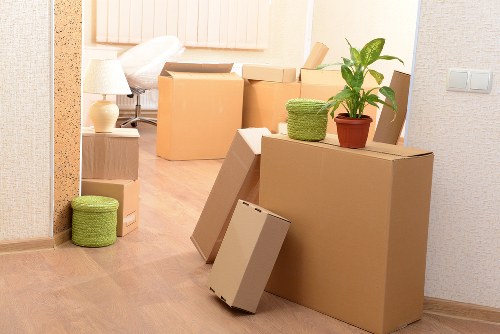
Some customers need help with a single room, while others are moving the contents of a small flat or a few carefully selected pieces from a larger home. Man with van removals can be a practical middle ground for these situations because it combines transport with loading support, but remains more adaptable than a full-scale relocation. It is often chosen when the customer wants the reassurance of help on moving day without committing to a bigger operation than the job requires.
Item transport can involve more than one collection point, such as collecting a sofa from one address and boxed items from another before heading to the delivery address. It may also involve temporary storage drop-offs or furniture picked up from a retailer, auction, marketplace seller or private seller. When the route is known in advance, the trip can be organised with fewer delays and less handling. For customers comparing the different forms of household removals, our house removals page is a useful starting point.
Where access is tight, the load size and item shape matter as much as the distance travelled. Narrow stairways, top-floor flats and long walks from the vehicle can all affect how the work is approached. In those cases, careful preparation makes a noticeable difference. Measuring larger furniture, checking the path to the entrance and noting anything fragile or heavy help us plan the job properly. If your move is mostly household furniture, our house movers page gives another route into that service area.
Packing, loading and secure transport
Packing and loading are central to a good van move. Items need to sit in a sensible order so that heavier pieces are supported and smaller belongings do not shift around during transit. We can assist with the physical side of loading where needed, and that is especially useful when a customer has a mixture of loose items, boxes and furniture in different shapes. For jobs that need more preparation, our packing and unpacking services page shows the kind of support available.
Good loading is not only about speed. It is also about protecting the items themselves and reducing the risk of avoidable knocks. Softer items may need to be positioned around firmer pieces, while delicate surfaces benefit from sensible separation and cautious handling. If a van is being used for a valuable or sentimental collection, the way the load is arranged matters just as much as the route. This is one reason customers often choose a man with van service rather than attempting several separate car journeys.
Useful information to have ready includes the item list, floor level, access route and any timing limits at either address. A short note about whether there are stairs, parking restrictions or especially heavy pieces can help shape the quotation. You do not need to write a full inventory unless the move is unusually detailed. A well-ordered message is usually enough to start the conversation and avoid back-and-forth later.
Commercial and office moves

Man with van work is not limited to domestic use. It can also support smaller commercial movements where desks, chairs, files, stock or equipment need to be transferred carefully and with minimal disruption. This may suit a start-up, a studio, a consultant, a retailer or a small office that needs a practical move without the scale of a full commercial relocation. Where the job is more involved, our office removals page sets out a fuller version of that service.
Business moves often need a slightly different rhythm from home moves because there may be closing times, access rules, shared building entrances or items that should be handled in a specific order. We can work through those points in advance so the move is less disruptive. If the customer needs a broader service that covers the whole transition, including a more formal relocation plan, the office relocation services page is a relevant place to look.
For some commercial jobs, it is helpful to separate items into categories before the move begins. For example, furniture may travel with furniture, archive boxes with archive boxes, and loose equipment may be grouped so it can be loaded last and unloaded first. This keeps the process tidy and can reduce searching at the destination. When a schedule is tight, that order matters because every stage feeds into the next one.
Pricing, scope and quotation details
Pricing for a man with van service usually depends on the size of the load, the time needed, the route, access conditions and any extra handling involved. A move with straightforward access and a small number of items is typically simpler to quote than a collection that involves multiple addresses, stairs or oversized furniture. Clear information at the outset helps create a quote that reflects the actual work rather than broad assumptions.
If you are gathering figures for a move, it helps to think about the practical shape of the job. How many rooms are affected? Are there items that need two people to lift? Is there parking close to the door? Do the collection and delivery points sit within one journey or several? These are the kinds of details that influence the scope of the work. You can review our pricing and quotes page before sending the final request.
For best results, keep the request direct and factual. A short list of items, approximate sizes and any known access limitations is more useful than general descriptions. Where something is especially awkward or fragile, say so clearly. That allows the move to be planned around the item rather than treating it as ordinary luggage. Clear information saves time and gives a better basis for a sensible quotation.
About Plaistow
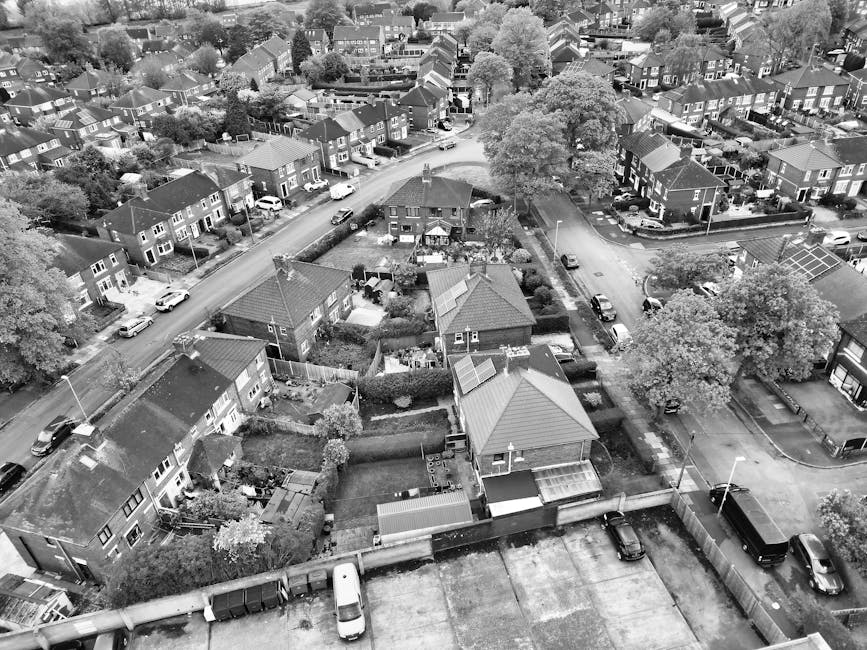
Plaistow is an area in the London Borough of Newham, in East London, and it sits within the wider urban fabric of the lower Lea Valley. Its character has been shaped by a long history of industry, housing growth and transport change, with many streets reflecting the pressures of dense inner-city development. The area is closely associated with the A124 corridor and with nearby transport links that connect it to Stratford, East Ham and Custom House. Plaistow station on the District and Hammersmith & City lines has long formed part of everyday movement in the district, linking local streets with central London and the wider network. The surrounding environment is largely residential, but the area also includes local shopping parades, schools and community facilities that give the neighbourhood its day-to-day structure. Plaistow’s built form includes terraces, post-war housing and newer infill developments, so the streetscape can vary noticeably from one block to the next. Like much of Newham, it reflects patterns of rebuilding and adaptation that followed wartime damage and later regeneration. The area is also close to larger destinations such as the Queen Elizabeth Olympic Park to the north-west and the Royal Docks to the south-east, both of which have influenced the wider perception of this part of London. Despite those larger neighbouring landmarks, Plaistow remains distinct in its own right, with a local identity rooted in long-established residential communities and the ordinary rhythms of East London life.
Furniture, appliances and specialist handling

Some van jobs are straightforward in principle but require extra caution because the items are awkward, heavy or delicate. Large wardrobes, bed frames, glass-topped tables, washing machines and similar pieces need careful handling so that they can be carried, loaded and positioned without avoidable strain. When the item is too bulky for a simple carry, it may need planning around turning space, lift use or the number of people required for the lift.
Specialist handling is also useful when the move includes pieces that have to remain upright, items with loose parts, or furniture that has to travel in a particular order. A van move can be a sensible choice here because the working arrangement is adaptable and can be built around the item rather than the other way round. For customers who need help with a single piece or a small group of items, our furniture pick-up page may also be relevant.
In some cases, a job is best approached as a sequence rather than a single lift. That may mean removing one item first, clearing a route, and then returning for the larger piece. It may also mean protecting floors or walls before movement begins. These practical steps are not dramatic, but they often make the difference between a rushed job and one that feels under control from beginning to end.
Local routes, timing and job planning
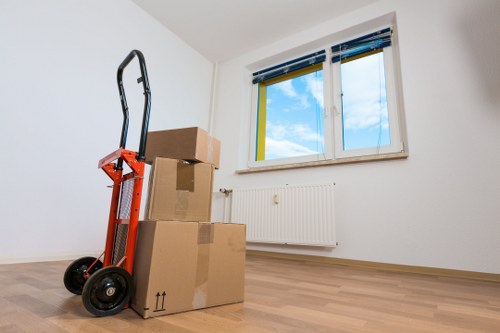
Good planning matters even on shorter local moves. The route between addresses, the time of day and the access at each end can all influence how smoothly a job runs. Where parking is limited or there are delivery windows, it is better to build the plan around those constraints rather than treat them as an afterthought. That applies whether the move is a single item, a partial house move or a modest commercial transfer.
Some customers want the van to serve as a link between home, storage and another property, while others are only moving one load from point A to point B. In both situations, it helps to know whether there are items that must stay together, whether any collection needs to happen before a certain time, and whether the load can be stacked safely. If the work involves a more general relocation, our moving van and removals pages offer related options to compare.
When you are ready to arrange the job, send the main details in one message and keep the wording specific. Include the pickup and delivery points, what needs to move, and any access points that could affect loading. If you would like to talk it through first, that is fine too, but a clear written outline usually makes the quotation easier to prepare. Request a quotation when you are ready and we will take it from there.
Choosing the right moving option
Not every move needs the same level of support, and that is one reason the man with van model remains useful. Some jobs are best handled as a simple transport task, while others need more help with carrying, placement or item protection. If the move is very small, a straightforward van transfer may be enough. If it is larger, or involves several rooms, you may wish to compare it with broader removal options before deciding.
Our related pages are there to help you choose the right fit without guessing. You can look at man and van for a broader overview, moving truck for larger vehicle needs, or removal van if you want to compare vehicle-based moving support. Each page represents a different angle on transport and removals, so the best choice depends on the volume, timing and handling demands of your move.
Whichever option you choose, the same basic principle applies: be specific about the work, keep the list of items realistic and mention anything that may affect access or lifting. That keeps the quotation process practical and helps the move start on the right footing. If you are comparing services now, get in touch for a quote and share the essentials in one message.