Navigating narrow Victorian stairs in Plaistow flats
Posted on 11/06/2026
Navigating narrow Victorian stairs in Plaistow flats: a practical moving guide
Moving through narrow Victorian stairs in Plaistow flats is one of those jobs that looks simple from the hallway and then turns into a careful little puzzle the moment a sofa meets a stairwell. If you have ever stood at the bottom of a steep, twisting staircase wondering how on earth a wardrobe is meant to get up there, you are not alone. These homes have character, but the stairs can be tight, awkward, and unforgiving.
This guide walks you through what makes these staircases tricky, how to plan a safer move, and the practical decisions that save time, damage, and a fair bit of stress. Whether you are moving out of a top-floor flat, bringing furniture in, or trying to avoid that heart-sinking scrape against the banister, the aim here is to make the process feel manageable. Truth be told, that is half the battle.
Why narrow Victorian stairs in Plaistow flats matter
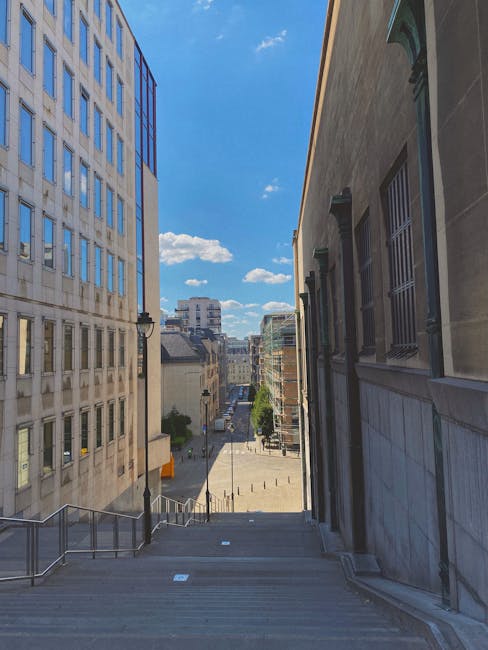
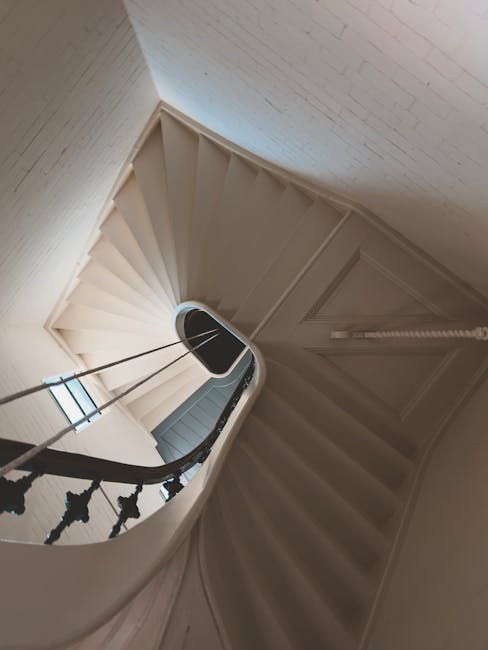
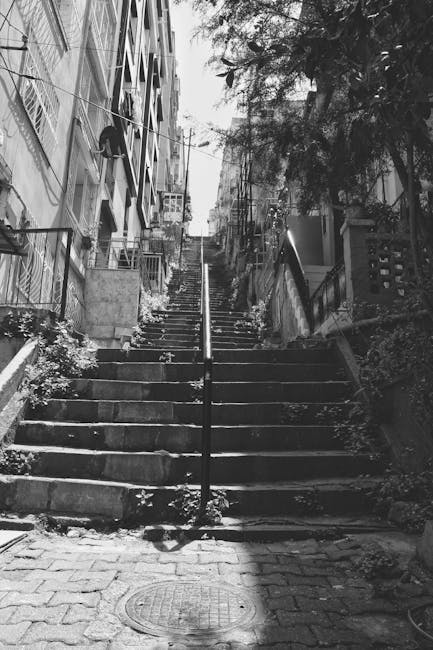
Victorian flats in Plaistow often come with compact staircases, tight landings, sharp turns, and railings that were never designed with flat-pack wardrobes or big corner sofas in mind. That is not a criticism; it is just the reality of older housing stock. These buildings were built for a different kind of living, and modern furniture tends to be bulkier, heavier, and less forgiving.
The issue is not only access. Narrow stairs affect the whole move: how you pack, what you dismantle, whether you need extra hands, and how long the job takes. A move that would be straightforward in a ground-floor property can become slow and risky when every item must be angled, lifted, rotated, and carried in sequence. One wrong turn and you can chip paintwork, damage furniture, or strain your back. Nobody wants that on moving day, especially at 8:30 in the morning when the kettle has barely boiled.
In Plaistow, this matters even more because flats can be older, the stairwells can be shared, and there is often limited room to stage items safely. If you are moving with neighbours nearby, you also need to think about noise, blocked pathways, and keeping the communal area clear. A well-planned approach protects your belongings, the property, and your own energy.
If you are already mapping out your flat move, it can help to pair this advice with a broader moving plan like the ultimate guide to an uneventful house move and, if packing is still underway, creative packing solutions for moving houses.
How navigating narrow Victorian stairs in Plaistow flats works
The basic principle is simple: reduce size, reduce weight, improve control, and plan the route before the first box moves. In practice, that means treating the staircase like a measured path rather than a passage you can just force items through. You want to know where the pinch points are, where you can turn, and which pieces need to be broken down before they reach the stairwell.
Most successful moves through narrow stairs follow the same pattern. First comes assessment. Then packing. Then dismantling. After that, the actual carry is handled in stages, with pauses at landings or doorways if needed. This is where many people get caught out: they underestimate the value of stopping, resetting grip, and re-angled the item properly. It sounds obvious, but under pressure people rush. And rushing on steep stairs is a bad mix.
When moving furniture, the lift-and-turn technique often matters more than brute force. A sofa may need to be stood upright, rotated on its edge, and brought up one section at a time. A bed frame may need to be split before the first step. White goods, oddly enough, often need more planning than people expect because their weight distribution can make them awkward on a turn. For anything especially large, bed and mattress transportation tips and proper methods for putting your freezer into storage can be useful companions.
In many cases, the move works best when everyone knows their role before they start. One person leads from the top, one steadies from below, and one watches corners, walls, and bannisters. It is not glamorous, but it is effective.
Key benefits and practical advantages
Getting the approach right gives you more than just a successful carry. It changes the whole tone of moving day. Instead of reacting to problems, you start preventing them. That saves energy, and quite often saves money too.
- Less damage: careful handling reduces scuffs, dents, chipped plaster, and broken fittings.
- Lower risk of injury: narrow stairs demand better lifting habits and fewer awkward twists.
- Faster progress: a measured plan usually beats repeated failed attempts.
- Better use of space: dismantling and stacking cleverly means fewer trips.
- Less stress for everyone: the move feels more organised, which honestly changes the day.
There is also a quieter benefit: confidence. Once you know the route has been assessed and the bulky items have been planned properly, the move stops feeling like a gamble. That matters when you are dealing with Victorian staircases, because uncertainty can make a small problem feel enormous. A scratched wall is annoying. A scratched wall, a strained shoulder, and a blocked landing? Much worse.
If you are trying to keep costs sensible, planning ahead can also help you choose between a full removals service and a simpler support option. Reading about man with a van in Plaistow or the broader services overview can make that decision much clearer.
Who this is for and when it makes sense
This advice is for anyone moving furniture, boxes, or household items in a Plaistow flat where the staircase is too narrow for easy carrying. That includes tenants moving in or out, landlords preparing a property, students in shared accommodation, and homeowners dealing with a flat clearance. It also applies if you are moving one or two large items, not just a whole property.
It makes particular sense in these situations:
- your flat is on an upper floor with a tight stairwell
- the banister, turns, or ceiling height create awkward angles
- you have bulky furniture like wardrobes, sofas, mattresses, or white goods
- you are moving at short notice and need a quick plan
- you want to avoid damage in a shared building
Students often underestimate this until they are carrying a desk up two flights and discover the landing is nowhere near as generous as it looked online. If that sounds familiar, student removals in Plaistow can be worth exploring. For larger furniture jobs, furniture removals in Plaistow is the more relevant fit.
If your move is last-minute, do not panic. Short-notice jobs can still be handled well if you simplify the load and stay realistic about what can safely go upstairs. That is where late-notice moves in Plaistow comes in handy.
Step-by-step guidance
Here is the part most people want first: what to do, in what order, without overcomplicating it. The key is to work from the staircase outward, not the van inward. In other words, solve access first, then move the items.
- Measure the problem items. Check the width, height, and depth of anything bulky. Measure door frames, landings, and the tightest turn on the staircase. If an item needs to be tilted, measure the diagonal too. It sounds fussy, but it saves a lot of guesswork.
- Inspect the staircase. Look for loose carpet edges, slippery paint, low ceilings, protruding radiators, and anything that could snag. Shared hallways are worth a quick check as well.
- Decide what should be dismantled. Beds, table legs, shelving, and some wardrobes are often easier to move in pieces. If dismantling takes ten minutes and avoids a twenty-minute wrestling match, that is a win.
- Protect the route. Use blankets, corner protectors, and floor covering where needed. Even careful movers can catch a wall on a tight turn.
- Stage items near the exit. Keep the landing clear. Do not create a pile at the top of the stairs; that is asking for confusion.
- Move one item at a time. Resist the urge to stack loads or carry too much. Narrow Victorian stairs reward patience, not bravado.
- Use proper lifting technique. Keep the load close, bend your knees, and avoid twisting your back while carrying. If you are unsure, take a quick pause and reset your grip.
- Re-evaluate at the trickiest point. If the item does not clear a turn, stop. Re-angle it. Split the move into smaller stages if needed.
- Clear the final landing and entry space. Once the item reaches the top or bottom, make sure it can be set down safely without blocking the route.
A small but important note: if you are moving a mattress or a sofa, the orientation matters as much as the weight. A piece can be light enough in theory and still feel impossible when it has to pivot sideways on a narrow mid-landing. That is normal. Really. Not every awkward move means you are doing it wrong.
Expert tips for better results
The best moving advice is often the least dramatic. It is the little things that stop a move going sideways. A few practical habits make a big difference on Victorian stairs.
Keep the load compact
Loose drawers, dangling doors, and protruding handles are trouble waiting to happen. Tape, strap, or remove them where you can. The cleaner the shape, the easier the movement.
Use a two-person carry for awkward pieces
Even if an item feels manageable on its own, narrow stairs can change the equation. A second pair of hands improves balance and helps at turns. If you want to brush up on lifting technique, discover the art of lifting solo heavyweights and kinetic lifting guidance both fit the practical side of the job.
Plan the awkward items first
Do the difficult pieces while everyone is still fresh. Leave the easy boxes for later. That way, if a piece needs extra dismantling or a rethink, you still have energy and daylight.
Take the weather and the time of day into account
Wet shoes on stairs are no joke, and early evening moves in winter can become fiddly fast. If the stairwell is dim, bring proper lighting. Small detail, big impact.
Keep communication short and clear
Use simple calls like "stop," "lift," "turn," and "down." Nobody wants a long debate halfway up a staircase. And yes, people do suddenly forget directions when carrying a bed base.
For bigger furniture, decluttering before the move can be a real relief. Fewer items upstairs means fewer decisions under pressure. simplify your move with thoughtful decluttering is a sensible read if you are trying to cut the load.
Common mistakes to avoid
Most stair-related moving problems come from a small set of avoidable mistakes. Once you see them, they are easier to sidestep.
- Forcing oversized furniture through anyway. If it clearly does not fit, stop trying to bully it into place.
- Skipping measurements. "It looked fine in the room" is not a measurement.
- Ignoring turns and landings. The staircase may be wide enough at the bottom and too tight halfway up.
- Overpacking boxes. Heavy boxes are miserable on stairs and more likely to split.
- Leaving the route cluttered. Shoes, bags, mats, and spare bits of packaging become trip hazards.
- Trying to rush the final carry. This is usually when something gets scraped.
Another common one: not checking whether the item can come apart at all. A wardrobe panel, a bed frame, or even a sofa leg can turn a near-impossible carry into something straightforward. The dismantle step is often where the whole move gets rescued. Bit annoying to discover late, but better late than not at all.
For moving heavy or delicate items, it is wise to think beyond the stairs themselves. If you have a piano, for example, the stairs are only part of the challenge. piano transport and the hidden dangers of doing it alone is a strong reminder that some items really should not be improvised.
Tools, resources, and recommendations
You do not need a van full of specialised gear to move through a narrow Victorian stairwell, but a few sensible tools make life much easier.
| Tool or resource | What it helps with | Why it matters |
|---|---|---|
| Furniture blankets | Protecting walls, banisters, and furniture | Reduces scuffs and small impact damage |
| Strong tape and straps | Securing loose parts | Keeps items compact and safer to carry |
| Workbench or screwdriver set | Dismantling furniture | Makes awkward pieces more manageable |
| Gloves with grip | Handling and lifting | Improves control and comfort |
| Floor protection | Shared hallways and narrow entrances | Helps keep the property in good condition |
| Professional support | Bulky, heavy, or time-sensitive items | Useful when access is especially tight |
If you are weighing up support options, it can help to compare man and van support in Plaistow with a fuller removals service such as removal services in Plaistow. The right choice depends on how much you are moving, how awkward the access is, and how much help you need on the stairs.
Storage can also be part of the solution. If some furniture is not worth forcing up the stairs right now, storage in Plaistow may buy you breathing room while you sort the rest of the move properly.
Law, compliance, standards, or best practice
For a domestic flat move, there is not usually a complicated legal framework specific to staircase carrying. That said, good practice matters. If you are moving items in a shared building, you should protect communal areas, avoid blocking exits, and respect other residents. If the move involves a landlord or managing agent, check building rules in advance where possible.
From a safety point of view, the sensible standard is simple: avoid preventable risk. That means not overloading a single person, not carrying items that block vision on stairs, and not using unstable improvisations such as balancing a wardrobe on one step while someone "just adjusts the angle". We have all seen moves start to get creative. That is usually the moment to pause.
Industry best practice for removals in tight access situations usually includes a pre-move survey, clear route planning, sensible lifting technique, and appropriate insurance cover. If a company is handling your move, it should be comfortable discussing access issues honestly rather than pretending every staircase is easy. You can also review insurance and safety information alongside the health and safety policy to understand how a provider approaches risk.
If you want a broader view of company standards and expectations, about us and removal companies in Plaistow can help you judge how much support you actually want, rather than guessing.
Options, methods, or comparison table
There is no single best way to handle narrow Victorian stairs. The right method depends on the item, the access, and the time you have. Here is a practical comparison.
| Method | Best for | Pros | Limitations |
|---|---|---|---|
| DIY with friends | Small to medium loads | Low cost, flexible timing | Higher risk if no one has proper lifting experience |
| Man and van support | Fewer items, tighter budgets | Practical, efficient, often quicker to organise | May need more preparation from you |
| Full removals service | Bulky loads or multiple rooms | More hands, better planning, less lifting for you | Usually more expensive than a basic vehicle-only option |
| Staged move with storage | Mixed-size loads or delayed access | Reduces pressure on move day | Requires two stages and more coordination |
In practice, many people combine methods. For example, they might move smaller boxes themselves, use help for sofas and mattresses, and place one or two items in storage for later. That mixed approach often works better than trying to make every item fit the same plan.
For a more straightforward flat move, flat removals in Plaistow and house removals in Plaistow are worth comparing depending on the size of your move.
Case study or real-world example
A typical Plaistow scenario goes like this. A tenant in a Victorian conversion is moving from a second-floor flat with a staircase that bends sharply near the middle landing. They have a two-seat sofa, a bed frame, a mattress, a chest of drawers, and six boxes that were, frankly, packed with optimism rather than logic.
At first, the sofa looks like the main problem. But once the route is measured, it turns out the mattress is the easier item, and the chest of drawers is the real issue because of its width and handles. The solution is to dismantle the bed frame, remove the drawer handles, wrap the chest carefully, and take the sofa on its edge with two people controlling each end.
The move finishes in stages: boxes first, then the smaller furniture, then the awkward items while the stairs are still clear. There is a bit of huffing, a bit of tape, and one small pause halfway up the stairs to rotate the sofa around the bannister. Nothing dramatic. That is the point. The day stays calm because the hard part was planned rather than improvised.
For loads like this, a bit of forward thinking really does pay off. The difference between a smooth move and a miserable one is often just preparation, not strength. No heroics required.
Practical checklist
Use this checklist before you start carrying anything up or down the stairs.
- Measure all bulky items, including the diagonal if needed
- Check stair width, turns, landings, and ceiling clearance
- Decide what should be dismantled before moving day
- Pack heavy items into smaller boxes
- Clear hallways, landings, and the route in and out
- Protect walls, bannisters, and flooring
- Assign roles to each helper
- Use gloves, straps, and blankets where useful
- Move awkward items first, while energy is high
- Pause and re-aim rather than forcing an awkward turn
- Keep communal areas tidy and unobstructed
- Check whether anything can go into storage instead
If you are still sorting boxes and trying to make the load lighter, packing and boxes in Plaistow may help you organise the rest of the move more neatly. A little structure goes a long way here.
Get a free quote today and see how much you can save.
Conclusion
Navigating narrow Victorian stairs in Plaistow flats is less about brute force and more about smart decisions. Measure properly, dismantle when needed, protect the route, and keep the carry controlled. Once you stop treating the staircase like a simple corridor and start treating it like a detailed route, the whole process becomes much more manageable.
That is especially true in older Plaistow flats where every turn matters and every inch counts. A careful plan keeps your furniture safer, reduces stress, and helps the move stay calm rather than chaotic. And honestly, calm is underrated on moving day.
If you are preparing a move now, take a breath, clear the route, and do the awkward bits first. You will feel the difference almost immediately.