Newham Council van permits: Plaistow rules explained
Posted on 22/06/2026
If you are moving in Plaistow, loading a van outside your home can be the difference between a smooth morning and a stressful one. Newham Council van permits: Plaistow rules explained is a topic that sounds simple on the surface, but the real-life details matter. The wrong bay, the wrong timing, or an assumption that "it'll be fine for ten minutes" can quickly turn into a ticket, a delay, or a very awkward conversation with the neighbours. Let's face it, nobody wants that on moving day.
This guide breaks the rules down in plain English. You will learn when a permit may be needed, why the local streets can be tricky, how the process usually works, and what practical steps make the whole thing far less painful. If you are planning a flat move, a house move, or even a same-day job, a bit of parking planning goes a long way. For the rest of the move itself, it can also help to read the ultimate guide to an uneventful house move and how to avoid parking fines when moving in Plaistow.
Why Newham Council van permits: Plaistow rules explained Matters
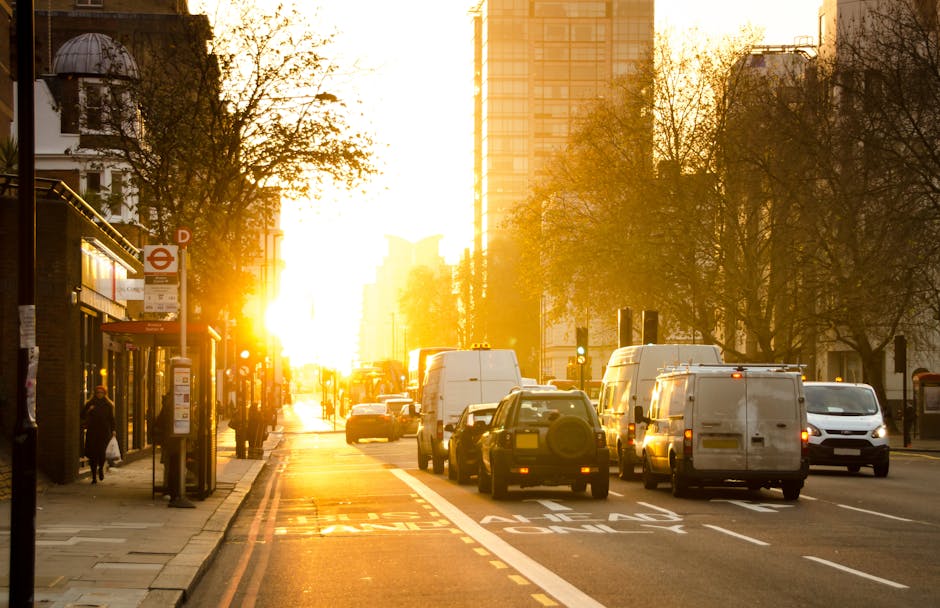
Parking rules in Plaistow are not just background noise; they shape how long your move takes, how far your van has to park from the door, and whether your crew can work safely. A narrow street, a controlled parking zone, double yellow lines, or a loading restriction can all change the plan in an instant. In practical terms, that means more lifting, more walking, more time, and a greater chance of something getting damaged. Not ideal when you are already juggling boxes, keys, and a kettle you cannot quite find.
Plaistow sits in a part of east London where residential roads can be tight and parking spaces disappear quickly. If you are dealing with an estate move, a road with heavy local traffic, or a building with awkward access, the parking arrangement becomes part of the job rather than an afterthought. That is why people planning a move here often read about local access issues too, such as planning for narrow E13 estate streets and Plaistow Road flat move tips for stairs, lifts and permits.
The real value of understanding the permit rules is simple: you can reduce avoidable friction. If you know where the van can stop, how long it can stay, and what to do if the bay is already occupied, the day feels a lot less chaotic. It also helps you speak confidently with your removal team, neighbours, and building management. That confidence matters more than people think.
How Newham Council van permits: Plaistow rules explained Works
Here is the plain version. A van permit, or a parking arrangement for loading and unloading, is there to let a commercial vehicle stop in a place where ordinary parking rules would otherwise restrict it. Depending on the street, the time of day, and the specific restriction in force, you may need a permit or a paid parking session to avoid a penalty. The key point is that moving vehicles are often treated differently from private cars, but not in a completely free-for-all way. There are still rules, and they still need to be followed carefully.
In Plaistow, the process usually comes down to three things:
- The location - some roads have bays, some have restrictions, and some have very limited stopping space.
- The timing - a permit or loading allowance may be useful at one hour and useless at another if the road is busy or restricted.
- The vehicle and activity - the size of the van, whether you are actively loading, and how long you stay all affect whether the arrangement is suitable.
Not every move needs the same setup. A quick sofa collection is different from a full house move. A student flat with one or two items is different from a three-bedroom family relocation. You may also be able to manage the job better if you have already trimmed the volume of items to move, which is why thoughtful decluttering before a move can make a surprising difference.
One practical thing people often miss: the permit is only one part of the plan. You still need to think about access, unloading route, stairs, lift availability, and whether the van can remain where it is while the crew carries items safely. If the space is too tight, a permit alone will not magically solve it. It is a helpful tool, not a miracle.
Key Benefits and Practical Advantages
Using the right permit or parking arrangement is about more than avoiding a fine, though that is obviously nice. It can change the whole rhythm of the move.
- Less wasted time: if the van parks closer to the property, the carrying distance shrinks.
- Lower risk of damage: fewer long carries mean less chance of scraping furniture on kerbs, fences, or stair rails.
- Better safety: moving heavy items across a shorter, clearer route reduces strain and trip hazards.
- Smoother communication: the moving team can plan the load sequence more accurately when parking is sorted.
- Fewer surprises: you are much less likely to discover, halfway through the move, that the only available spot is blocked by a resident's car and a recycling bin. Which, to be fair, happens more often than people expect.
There is also a broader operational benefit. If your van can park properly, the team can use better moving techniques rather than rushing. That matters for large items and awkward pieces. For example, someone moving a piano, mattress, or heavy wardrobe will usually benefit from a clear parking position and a safer carry route. It is worth reading why piano transport is risky to do alone and bed and mattress transportation tips if you are dealing with bulky items.
Who This Is For and When It Makes Sense
This topic matters for anyone using a van in Plaistow, but it is especially useful if your move falls into one of these categories:
- You are moving from a flat with no private driveway.
- Your street is narrow or heavily parked.
- You need the van to stay close while items are being loaded.
- You have heavy furniture, white goods, or fragile items.
- You are moving at short notice and cannot afford delays.
- You are trying to keep the job to one trip rather than several.
Students often ask about this because they may be moving with less notice and less storage space. The same goes for shared flats and smaller homes. If that sounds familiar, student removals in Plaistow are usually all about making small-access problems feel manageable rather than dramatic.
It also makes sense for people booking a man and van service, a full removal van, or same-day help. If you are in a hurry, parking problems have a habit of multiplying. A job that should take an hour can drift into the afternoon if the van cannot stop where you expected. And nobody wants to carry a sofa down the road at 8:15 in the morning while checking the clock every thirty seconds.
Step-by-Step Guidance
If you want the move to feel controlled rather than improvised, use this sequence.
- Check the street layout first. Look at where a van could legally stop, not just where it would be convenient.
- Identify any loading or waiting restrictions. A space that looks empty may still be restricted at certain times.
- Measure the vehicle against the access. A large van may be awkward on a tight road, especially if cars are already parked close to the corners.
- Plan the loading route. Think about the path from front door to van. Steps, gates, lifts, and front garden walls all count.
- Build in time buffer. Add extra time for parking, carrying, and any delay caused by traffic or a blocked bay.
- Prepare heavy or awkward items early. Disassemble where sensible and protect surfaces before the van arrives.
- Have a backup plan. If the preferred bay is taken, decide in advance where the next legal option is.
A quick micro example: if you are moving from a first-floor flat near a busy road, you might assume you can double-park "just for a minute". In reality, the crew may spend that minute waiting for traffic to clear, which means the van is awkwardly placed, and the whole move becomes more stressful. It is much better to have a legitimate stopping plan before the first box leaves the hallway.
For a fuller moving strategy, you may also find creative packing solutions for moving house useful, especially if you want the van load to be tidy and efficient.
Expert Tips for Better Results
From experience, the best moves in Plaistow are the ones where parking is treated as part of the packing plan. Strange as it sounds, the van position changes how the whole day feels.
- Book your parking strategy early. Do not leave it until the van is literally outside.
- Keep the route clear inside the property. A cluttered hallway turns a simple carry into a bottleneck.
- Use consistent labelling. If the team knows which boxes are fragile, which room they belong in, and which ones go out first, loading becomes far easier.
- Move the awkward items first if access is easiest early. Sometimes the morning is quieter than later on. Use that.
- Protect doors, corners and bannisters. In older Plaistow properties, narrow stairs and tight turns can catch furniture very quickly.
A small but useful habit is to walk the route from your front door to where the van will sit, ideally at the same time of day as the move. Morning traffic, school run congestion, and visibility all change the feel of a street. You notice little things then - a lamp post, a dropped kerb, a half-blocked bay. Those are the details that save headaches.
If your move involves difficult staircases or a mixed-use route, navigating narrow Victorian stairs in Plaistow flats is a useful companion read. It pairs nicely with parking planning because both are really about reducing friction.
Common Mistakes to Avoid
The biggest moving-day mistakes are usually not dramatic. They are small, slightly annoying assumptions that snowball.
- Assuming any empty space is fine. Empty does not always mean legal.
- Forgetting about time limits. If a loading bay has a short stay window, the clock matters.
- Underestimating van size. A bigger vehicle is not always better if the road is tight.
- Leaving heavy lifting too late. The last item often becomes the hardest item.
- Ignoring neighbours and access points. A parked car or a blocked entrance can ruin a careful plan.
- Failing to check the building rules. Flats, estates and managed properties can have their own requirements.
Another common one: people focus only on the permit and forget about the unloading path. That is how you end up with a legal parking spot that is, in practice, still a poor choice. A van parked legally but thirty metres from the door may be fine for one box run. It is not great for a full sofa set, not at all.
Tools, Resources and Recommendations
You do not need a trolley-load of specialist gear to manage parking and loading well, but a few practical tools help a lot.
- Phone calendar reminders: useful for permit timing, access slot times, and key handover.
- Floor plan or handwritten sketch: helps you see where furniture and boxes are going.
- Labels and tape: keep your load sequence organised.
- Furniture blankets and straps: reduce knocks during short carries and when loading the van.
- Measuring tape: especially handy for confirming that larger furniture will fit through hallways, doors, or lift openings.
For preparation before moving day, it can help to read about decluttering with a thoughtful plan and storing a sofa properly between moves. Those topics are not just housekeeping extras; they directly reduce the amount of van space and handling time you need.
If you are moving a freezer, that needs its own treatment as well. Moisture, timing, and loading order all matter, which is why proper methods for putting your freezer into storage can be genuinely useful before the van arrives.
Law, Compliance, Standards and Best Practice
This is the part where people sometimes want a simple yes-or-no answer, but parking and loading rules are rarely that tidy. In practice, you should treat all local restrictions as live rules that need checking on the day, not as background detail you can guess your way through. If a street has signs, road markings, or managed parking controls, those take priority over convenience.
Best practice in Plaistow is to plan conservatively:
- Assume a legal parking space may still have a time condition.
- Assume loading must be active if you are using a loading allowance.
- Assume larger vans may have less flexibility than smaller ones.
- Assume building management may have separate access expectations.
From a safety point of view, the job should also follow sensible manual handling principles. The load should be stable, the route should be clear, and the team should not rush heavy or awkward items without enough space to manoeuvre. If you want a broader read on good practice, kinetic lifting and safe movement techniques is a useful companion piece. It sounds a bit sporty, but the idea is simple enough: lift well, move well, and keep control.
There is also a sustainability angle here. Fewer failed parking attempts mean less idling, less wasted mileage, and less stress-driven backtracking. If that matters to you, the company's recycling and sustainability approach is worth keeping in mind alongside your moving plan.
Options, Methods, or Comparison Table
Different moves call for different parking approaches. Here is a practical comparison.
| Approach | Best for | Pros | Drawbacks |
|---|---|---|---|
| Pre-planned permit or loading setup | Most flat moves and full house moves | More controlled, usually less stress, better access | Requires early checking and some coordination |
| Short-stop loading only | Small collections or very quick moves | Simple if the location is suitable | Limited flexibility, not ideal for larger loads |
| Parking farther away and walking items | Lower-volume moves or difficult streets | Useful when access is tight | More time, more physical effort, greater risk of knocks |
| Single larger van vs smaller vehicle | Depends on street width and load size | Larger vans may reduce trips; smaller ones can be easier to place | Oversized vehicles can be awkward in narrow roads |
There is no one perfect choice. The right answer depends on the street, the property, and how much stuff you are moving. In Plaistow, a smaller van is sometimes the smarter choice simply because access is easier. On other moves, a larger van with a proper stopping plan wins because it reduces repeat journeys. Small detail, big difference.
Case Study or Real-World Example
A good example comes from a typical Plaistow flat move. The property was on a busy residential road, the entrance faced a narrow pavement, and the occupiers had more furniture than they first thought - doesn't that always happen? The initial idea was to park "as close as possible" and work from there. After a quick walk-through, that plan was adjusted.
Instead, the move was split into two phases. First, the crew placed the van where it could legally stop without blocking traffic or forcing a risky manoeuvre. Second, the larger items were carried in a sequence that kept the staircase clear and the hallway manageable. A mattress, a compact table, and several clearly labelled boxes went first. Softer or lighter items followed. The result was not flashy, but it was calm. No frantic re-parking, no half-finished load, no rushed last-minute wobble with a sideboard.
That kind of move is often more successful than the "just wing it" approach. It may look a bit overly cautious from the outside, but on the day itself, caution usually feels like relief. And relief is worth a lot when you are moving house.
Practical Checklist
Use this checklist before moving day.
- Confirm the street restrictions near the property.
- Check whether a loading or parking permit is needed.
- Work out where the van can legally stop.
- Measure large items and key access points.
- Label boxes and separate essentials.
- Protect floors, walls and furniture edges.
- Plan the route from property to van.
- Allow extra time for traffic and parking changes.
- Brief everyone involved on the order of loading.
- Have a backup spot or alternative plan if the first bay is unavailable.
One small thing, but it helps: keep drinks, keys, documents and a charger somewhere easy to reach. Moving day has a way of making the simplest items vanish. Coffee, tape, the tape again, and then the tape one more time.
Conclusion
Newham Council van permits: Plaistow rules explained comes down to one simple idea: good parking planning protects the rest of the move. When you know how the rules shape loading, access, timing and vehicle choice, the day becomes calmer, safer and usually cheaper in the long run. It also helps you avoid that classic moving-day feeling of spinning plates while someone asks where the kettle is.
In Plaistow, where streets can be tight and parking can be competitive, taking the rules seriously is not overkill. It is sensible. A little preparation now can save a lot of walking, waiting and worry later. Truth be told, that is what most people want from a move anyway: fewer surprises, fewer scrapes, and a smoother first night in the new place.
If you are planning a local move and want to keep it efficient from the first box to the final unload, consider the full picture: parking, access, packing, lifting and timing. The details matter, but they are manageable when you tackle them early.
Get a free quote today and see how much you can save.