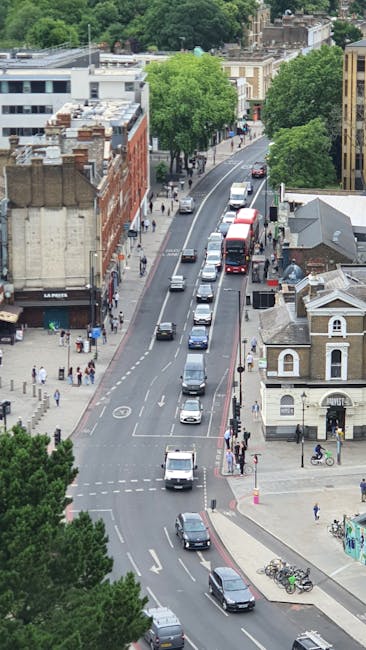
Removals near West Ham Park to Plaistow quick local moves

If you are planning Removals near West Ham Park to Plaistow quick local moves, you are probably after two things at once: speed and calm. Not the dramatic, last-minute, panic-in-the-hall kind of moving day. Just a clean, local move that gets your things from one place to the next without eating up the whole day.
That sounds simple, but anyone who has moved in east London knows the reality can be a little more awkward. Tight streets, parking pressure, stairs that feel steeper on moving day, and the usual "where did I put the kettle?" chaos. This guide walks you through what local removals in this corridor really involve, how to plan them properly, where the risks sit, and how to make a short-distance move feel much more manageable.
Whether you are moving a flat near West Ham Park, shifting a few rooms into Plaistow, or just trying to get the job done quickly between nearby streets, the aim here is the same: practical advice, fewer surprises, and a move that feels organised rather than frantic.
- Why this local move matters
- How the move usually works
- Benefits and practical advantages
- Who it suits and when it makes sense
- Step-by-step guidance
- Expert tips for better results
- Common mistakes to avoid
- Tools, resources and recommendations
- Law, compliance and best practice
- Options and comparison table
- Real-world example
- Practical checklist
- Conclusion
- Frequently asked questions
Why Removals near West Ham Park to Plaistow quick local moves Matters
A short move can be deceptively tricky. Because the distance is small, people often assume it will be easy. In practice, local moves around West Ham Park and Plaistow can be just as time-sensitive as longer relocations, especially when you are dealing with access constraints, parking, or a narrow window to get keys, hand over a property, or avoid school-run traffic.
The main reason this matters is simple: local removals reward planning. A move that covers only a few miles can still go wrong if the van cannot park close enough, if boxes are poorly packed, or if the route is blocked by traffic at exactly the wrong time. Anyone who has stood outside with a sofa half out the door while waiting for a parking space knows the feeling. Not ideal.
West Ham Park and Plaistow sit within a busy east London environment where roads can be busy, bays can be limited, and flats often come with stair access rather than a lift. That means a "quick" move is not just about driving fast; it is about reducing friction at every stage. The faster the preparation, the smoother the day usually feels.
There is also a trust element here. If you are moving home, office items, or a few bulky pieces, you want to know that the right vehicle, lifting approach, and timing are in place. Local knowledge helps because it changes how a move is handled. The route, the parking, the loading sequence, the building access, even the order in which items come out of the van - all of it matters.
How Removals near West Ham Park to Plaistow quick local moves Works
Most quick local moves follow a similar pattern, even if the details vary. The process usually begins with a clear list of what needs moving, where it is going, and what access looks like at both ends. A reliable mover will want to know the number of rooms, the type of furniture, whether there are stairs, and whether the van can park nearby. Simple questions, but they make a big difference.
For a short move near West Ham Park to Plaistow, the main advantage is that travel time is low. That gives more room to focus on load efficiency, safe lifting, and timing. In real terms, this often means fewer hours paid, less disruption, and a better chance of keeping the move within a single day. It can be the difference between "we made it by lunchtime" and "we are still carrying books at dusk."
Here is how it generally works in practice:
- Initial planning: You confirm the move size, addresses, access issues, and preferred timing.
- Vehicle matching: The mover selects a suitable van or truck so the load fits safely and efficiently.
- Packing and preparation: Fragile items, loose parts, and awkward pieces are wrapped or boxed.
- Loading: Items are moved from the property into the vehicle in a sensible order, often with heavier items first.
- Short transit: The driver takes a local route that best suits traffic and access conditions.
- Unloading and placement: Furniture and boxes are delivered into the correct rooms, not just dropped in the hallway.
If you are using a broader moving service, it may also include packing help, dismantling and reassembly, or disposal of unwanted items. For many local jobs, that extra support is what turns a hectic morning into something manageable.
In our experience, the best quick moves feel almost boring on the day. And that is a compliment. No drama. No guessing. Just steady progress.
Key Benefits and Practical Advantages
The obvious benefit of a local move is distance. Less road time usually means less risk. But the real advantages go deeper than that, especially when the route is between West Ham Park and Plaistow.
1. Faster turnaround
When everything is nearby, you can often complete the move within a tighter window. That is helpful if you have keys to collect, a tenancy deadline to meet, or a same-day handover.
2. Lower handling stress
Short moves often allow for more direct planning. Fewer miles on the road means more energy can go into careful loading, better wrapping, and safer handling of awkward items.
3. Easier scheduling
Local removals are often easier to fit around work, childcare, or building access slots. You may not need a full-day operation if the inventory is modest.
4. Better control over access issues
East London streets can be awkward at the best of times. A locally experienced mover will usually know how to work around tight parking, restricted stopping areas, and tricky building entrances.
5. More predictable costs
When the route is short and the job is well scoped, the move is often easier to quote accurately. If you are comparing options, this can make a real difference. You are not paying for guesswork.
6. Less disruption to daily life
For families, commuters, or small businesses, the ability to move quickly matters. It keeps the day from sprawling. That alone is worth a lot.
Practical takeaway: a local move is rarely just about miles. It is about access, timing, and how efficiently the crew can move your items from door to door without needless waiting.
Who This Is For and When It Makes Sense
This kind of move is a good fit for more people than you might think. It is not only for full house relocations. In fact, quick local moves are often ideal when the job is relatively small but still too awkward for a car, taxi, or a favour from a friend with a sore back.
You may benefit from this service if you are:
- moving from a flat near West Ham Park into a place in Plaistow
- relocating from one local street to another and want the move finished quickly
- moving into or out of a first-floor or upper-floor property
- handling a small office move, studio move, or shared accommodation move
- transporting bulky furniture, white goods, or boxed belongings that need lifting help
- working to a narrow deadline such as a tenancy changeover
- trying to move with minimal disruption to work or family routines
It also makes sense when the practical challenges are bigger than the mileage suggests. A one-bedroom flat with a tight staircase can be more demanding than a larger move with easy ground-floor access. That is the part people underestimate.
Quick local removals are especially useful if you want help with the full process but do not need a long-distance, multi-day service. To be fair, that is most local domestic moves. You want competence, not ceremony.
Step-by-Step Guidance
If you want the move to go smoothly, do not start with the van. Start with the details. The better the information you give upfront, the smoother the day tends to be.
1. Make a realistic inventory
List the furniture, appliances, boxes, and awkward items. Do not forget things like mirrors, dismantled bed frames, bikes, and plants. Small items add up fast, and the "oh, just a few extra bags" phrase has ruined more than one good plan.
2. Check access at both ends
Look at staircases, lift access, doorway width, parking distance, and any security entry procedures. If one property has an awkward corner or narrow landing, mention it early. A mover can plan for it, but only if they know.
3. Decide what needs packing help
Some people pack everything themselves. Others want help with fragile items, wardrobes, kitchenware, or an entire room. There is no single right answer, but consistency matters. Half-packed boxes are a pain to move and even more of a pain to unpack.
4. Reserve the right time slot
Try to choose a window that avoids obvious traffic pinch points if possible. Morning starts can work well for local moves, though every street has its own rhythm. If keys are involved, leave a buffer. Always leave a buffer.
5. Protect the items that suffer most
Mattresses, glass, TVs, and wooden furniture deserve proper wrapping or covers. For example, a scratched table is annoying; a chipped table you notice every day is worse. Frustratingly common too.
6. Load in the right order
Heavier and sturdier items usually go first, with delicate and awkward items secured carefully. The goal is not just to fit everything in. It is to stop things shifting during the short journey.
7. Unpack the essentials first
Once you arrive in Plaistow, make sure the kettle, bedding, documents, chargers, and basic tools are easy to find. You do not need the perfect final layout on day one. You need normal life back.
Expert Tips for Better Results
The following tips may sound small, but they make a big difference on moving day. A lot of the stress in local removals comes from avoidable friction, not the move itself.
- Label by room, not just by content. "Kitchen - glassware" is better than "misc box 4". Your future self will thank you.
- Keep a separate essentials bag. Include phone chargers, medication, keys, documents, snacks, and a change of clothes.
- Measure the awkward items. Sofas, wardrobes, and mattresses are the usual troublemakers.
- Take photos of cable setups before disconnecting. A tiny step, but it saves headaches later.
- Empty drawers unless they are genuinely secure. Heavy furniture shifts badly when overfilled.
- Tell the mover about access quirks early. Shared entrances, coded doors, and loading restrictions matter more than people think.
- Do not overfill boxes. Heavy books in a giant box is a classic mistake. A heroic-looking box can still collapse. Sadly, boxes do not care about ambition.
One thing we often see is people trying to "just manage" items that are clearly better handled by a moving team. If it feels too awkward for one person to carry, it probably is. That is not weakness; that is good judgement.
If you are moving from a rented flat, timing is especially important. A small delay can create a chain reaction: late handover, rushed cleaning, extra waiting, and everyone getting more tired than they needed to be. The best local moves prevent that ripple effect.
Common Mistakes to Avoid
Most moving problems are predictable. That is the good news. The bad news is people keep making the same ones. Let's avoid those.
- Booking too late: Local does not always mean available at the last minute.
- Underestimating the volume: A few rooms can become a van-full very quickly.
- Ignoring parking realities: If the vehicle cannot stop close enough, the move slows down.
- Leaving packing until the night before: Sleep will be poor, and the boxes will show it.
- Forgetting building rules: Some properties have access times or entry requirements that need advance planning.
- Not separating valuables: Passports, devices, jewellery, and key documents should travel with you.
- Using random box sizes: A mix is fine, but consistency helps stacking and safety.
One of the sneakiest mistakes is assuming a quick move needs no coordination. It does. Maybe even more so, because the whole job depends on everyone being ready at the same time. The van arrives and... now what? That awkward pause costs time.
Another common problem is not mentioning awkward access. A narrow staircase or a rear entrance hidden through a courtyard can change the moving plan completely. The crew can handle it, of course, but only if the heads-up comes early.
Tools, Resources and Recommendations
You do not need fancy equipment for a local move, but the right basic tools make a huge difference. A move feels smoother when the practical bits are already in place.
- Strong cardboard boxes: Use a mix of small, medium, and a few large boxes.
- Packing tape and dispensers: Good tape saves time and keeps the bottoms from giving way.
- Bubble wrap or paper wrap: Useful for glassware, lamps, and fragile corners.
- Furniture blankets and covers: Helpful for protecting wood, upholstery, and mattresses.
- Markers and labels: Clear room labels reduce confusion at delivery.
- Basic tools: Keep screwdrivers, Allen keys, and a tape measure close by.
- Trolley or sack truck: Helpful for heavy boxes and appliances when access allows.
For service recommendations, it is worth looking for a mover with a clear pricing structure, suitable vehicle options, and a straightforward process for questions. If you need a broader overview of available help, the company's removal services page is a sensible place to start. If your move is bigger or more involved, you may also find the home moves and man and van options useful to compare.
For people who like to unpack a bit more carefully, packing and unpacking services can take pressure off the day and help keep fragile items safer. And if you are still working out the likely cost, the pricing and quotes page gives you a clearer starting point than guessing ever will.
Law, Compliance, Standards, or Best Practice
For local removals, compliance is less about complicated paperwork and more about behaving properly and safely. That said, it still matters. A reputable mover should work with suitable insurance, safe lifting practices, and an honest approach to loading and transport.
Here are the main best-practice points to keep in mind:
- Insurance: Ask what cover is in place for goods in transit and handling. Do not assume everything is covered in the same way.
- Vehicle suitability: The van should be appropriate for the load, not just whatever happens to be available.
- Safe lifting: Heavy or awkward items should be moved with proper technique and, where needed, more than one person.
- Property access rules: If your building has timing restrictions or shared access, these should be respected.
- Transparent quoting: A fair quote should reflect access, distance, item volume, and any extra handling requirements.
If you want reassurance about business practices, it is worth reviewing the company's insurance and safety information and the health and safety policy. Those pages are not just formalities; they tell you how the work is handled in practice.
There is also a wider service standard to consider. Good removal firms communicate clearly, turn up prepared, and respect the property they are working in. Simple, yes. But not always common enough. Truth be told, good manners during a move are not a bonus. They are part of the job.
Options, Methods, or Comparison Table
Not every move needs the same setup. If you are comparing approaches for a quick local relocation between West Ham Park and Plaistow, it helps to look at the main options side by side.
| Option | Best for | Strengths | Trade-offs |
|---|---|---|---|
| Man and van | Small flats, a few bulky items, tight local jobs | Flexible, quick, often cost-efficient | May suit lighter or smaller loads better than full homes |
| Dedicated removal van | Medium moves with multiple rooms | Better capacity and organisation | May cost more than a very small service |
| Full removal service | House moves, complex access, packing support | Less stress, more help, fuller support | Often unnecessary for minimal local moves |
| Self-move with rented transport | Very small loads and confident movers | Can be cheaper on paper | More physical work, more risk, more coordination |
In many cases, a man-and-van style arrangement is the sweet spot for a local east London move. It offers enough support to keep the day moving without overcomplicating things. If your job is bigger, though, a more complete setup may be the smarter choice.
For people relocating business stock or equipment, commercial moves or office removals may be more relevant than a standard domestic arrangement. That kind of distinction sounds minor, but it helps a lot when the load includes documents, monitors, or time-sensitive equipment.
Case Study or Real-World Example
Here is a realistic example based on the sort of move people make around this part of London.
A couple living near West Ham Park needed to move into a first-floor flat in Plaistow by the end of the week. They had a double bed, a sofa, two shelving units, a dining table, kitchen boxes, and a few awkward extras like a mirror and a bike. Nothing huge, but enough to make a DIY move awkward.
They started by listing the larger items and checking access at both ends. One property had a slightly awkward stair corner, the other had on-street parking that could be close if timed properly. Because the move was local, the job did not need a long route plan, but it did need careful scheduling. They packed fragile items the day before, separated essentials, and confirmed the key handover time.
On the day itself, the move went more smoothly because nothing had been left vague. The crew could focus on loading sequence, safe handling, and making sure the large items came off in the right order. No one was running around looking for tape or trying to dismantle a bed frame while the van sat idling. That, honestly, is half the battle.
The lesson? Local moves are often won or lost before the van arrives. A tidy plan turns a stressful day into a workable one.
Practical Checklist
Use this checklist in the final 24 to 48 hours before the move. It keeps the day grounded when everything else is slightly chaotic.
- Confirm the moving time and addresses
- Check access, parking, and any building entry requirements
- Pack an essentials bag for the first night
- Label boxes by room and priority
- Disassemble furniture if agreed and keep fixings together
- Wrap fragile items and protect corners
- Measure large items against doorways and stair turns
- Set aside valuables and important documents to travel with you
- Clear pathways inside both properties
- Keep drinks, snacks, and a phone charger nearby
- Let neighbours know if access may briefly block a shared area
- Do a final sweep of cupboards, loft spaces, and behind doors
If you are recycling or clearing out items before the move, the company's recycling and sustainability information may be worth a look. And if you need to move a single awkward piece rather than a whole property, furniture pick up can be a better fit than booking a full removal day.
Keep this part simple. Tick the boxes. Breathe a bit. Then move on.
Get a free quote today and see how much you can save.
Conclusion
Quick local removals near West Ham Park to Plaistow work best when they are treated as a planning exercise, not just a transport job. The distance is short, but the detail still matters: access, parking, packing, timing, and the way the load is handled all shape the result.
If you prepare well, choose the right service level, and keep the essentials close, the whole move becomes far more manageable. You do not need perfection. You just need a sensible plan and people who understand the local rhythm of the area. That makes a bigger difference than most folks realise.
And if you are already partway through packing, take a breath. You are probably closer to sorted than it feels right now.
Frequently Asked Questions
How far is a move from West Ham Park to Plaistow considered?
It is generally a short local move, which means the driving time is usually not the main challenge. Access, parking, and loading are often more important than the distance itself.
Is a man and van service enough for this kind of move?
Often, yes. For smaller homes, a few large items, or straightforward local relocations, a man-and-van style service can be a good fit. If you have a larger inventory or awkward access, you may need something more substantial.
How much notice do I need to book a quick local move?
The earlier the better. While some local jobs can be arranged quickly, good time slots tend to go first, especially at weekends and month-end.
What should I tell the mover before moving day?
Share as much detail as possible: inventory size, stairs, lifts, parking access, bulky items, and any time restrictions. A few extra details can save a lot of delay later.
Do I need packing help for a short move?
Not always, but it is useful if you have fragile items, limited time, or a lot of boxes. Packing help can also reduce breakages and make loading faster.
Can I move in one trip for a local relocation?
Sometimes yes, depending on the size of the load and the vehicle. A well-sized van and a realistic inventory make this more likely.
What items are most likely to cause problems during a local move?
Sofas, wardrobes, mattresses, glass, mirrors, and large appliances usually cause the most trouble. They are awkward to carry and easy to damage if rushed.
How can I keep moving costs under control?
Be accurate about the load, pack in advance, clear access where possible, and compare quotes carefully. Hidden time delays are one of the main reasons local moves become more expensive than expected.
What if my building has difficult access or narrow stairs?
Tell the mover before the day. Narrow stairwells, tight turns, and shared entrances are manageable when planned for, but they can slow things down if they come as a surprise.
Is insurance really important for a short local move?
Yes. Even short journeys involve lifting, loading, and unloading, which is where most accidents happen. It is sensible to understand what cover is included before booking.
Should I choose a full removal company or a smaller local service?
It depends on your load and your access. A smaller local service is often ideal for compact moves, while a fuller setup can be better for larger homes or more complicated jobs.
What is the best way to prepare on moving day itself?
Keep pathways clear, have your essentials ready, label boxes well, and stay available for quick questions. A calm, organised start usually leads to a calmer finish too.
Can you help move just one or two bulky items?
Yes, many local removal services can handle single-item or small-load moves. That can be a practical choice for furniture, appliances, or awkward pieces that need proper lifting support.
What should I do after the move is complete?
Check that all items have arrived, inspect fragile pieces, and set up the essentials first. Then take your time with the rest. The boxes will still be there tomorrow, annoyingly enough.