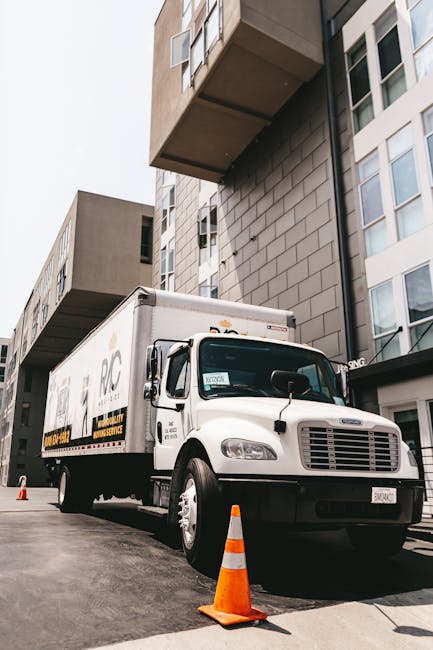
E13 estate moves: planning for narrow streets
Posted on 06/05/2026
Moving home in E13 can feel straightforward on paper, then suddenly the street outside tells a different story. Tight corners, parked cars, awkward turning points, shared stairwells, and bins left out at exactly the wrong moment can all turn a normal move into a bit of a puzzle. That is why E13 estate moves: planning for narrow streets deserves proper thought before moving day, not a last-minute scramble with a van blocking the road and everyone standing around guessing what to do next.
In practice, good planning is less about being over-cautious and more about being realistic. If you know the access is tight, the route is awkward, or your estate has limited space for loading, you can save time, reduce risk, and make the whole day feel calmer. This guide walks through what actually matters, what to check, how to prepare, and how to avoid the common mistakes that catch people out. Simple enough, but the details matter.
For a fuller view of how local moving jobs are usually organised, you may also find it useful to read the ultimate guide to an uneventful house move alongside this article.

Why E13 estate moves: planning for narrow streets Matters
Narrow streets change everything about a move. On a wide road, a van can often park nearby, loading is simpler, and people can move between the property and vehicle without much drama. On an E13 estate with tight access, that convenience disappears quickly. You may need to think about where the van can stop, whether residents' parking gets in the way, how far furniture must be carried, and whether there is enough room for manoeuvring at all.
This matters because the most expensive moving problems are often not the obvious ones. It is not usually the box of books that causes trouble. It is the sofa that will not turn the corner, the mattress that catches on a stair rail, or the van that has to reverse out because there was no safe turning space. Narrow street planning reduces those small friction points before they grow teeth.
There is also the human side. A move is already full of pressure. If you are juggling keys, children, lift access, or timing around work, every extra delay feels bigger than it should. A well-planned move keeps the day moving at a human pace. Less rushing, fewer apologies to neighbours, fewer dodgy lifts. That alone is worth a lot.
And in dense parts of London, the street itself is part of the moving environment. Cars may be parked tightly, delivery vehicles may pass through, and there may be limited lay-by space. So planning is not a nice extra. It is the backbone of the job.
How E13 estate moves: planning for narrow streets Works
The process is usually about matching the move plan to the access reality. Sounds obvious, but that is exactly where people go wrong. They plan the packing and forget the street. A good move plan for a narrow E13 road starts with the outside, then works back to the front door.
First, identify where the vehicle can legally and safely stop. Then measure or at least estimate the carry distance from the van to the property entrance. After that, think about the largest items, the route through the building, and whether you will need extra hands or specialist kit. If there are stairs, narrow hallways, or awkward bends, the job may need a different approach from a standard one.
In many cases, this also means choosing the right vehicle size. Bigger is not automatically better. A slightly smaller removal van that can get closer to the property may be more efficient than a larger vehicle parked half a street away. That trade-off is easy to miss if you only think in terms of volume.
Pack strategy matters too. If boxes are too heavy, a longer carry becomes much harder. If furniture is not protected properly, tight door frames and narrow stairwells become damage risks. For practical packing ideas, see creative packing solutions for moving houses and the service page for packing and boxes in Plaistow.
Key Benefits and Practical Advantages
Good planning for narrow streets is not just about avoiding problems. It brings a few real advantages that people usually appreciate once the day arrives.
- Faster loading and unloading: shorter walking distance means less time spent carrying items back and forth.
- Lower damage risk: fewer awkward turns, fewer rushed lifts, and less chance of scraping furniture or walls.
- Better neighbour relations: a tidy, organised loading plan is usually less disruptive. Nobody loves a van parked across a driveway, lets face it.
- Less physical strain: carrying items further than expected adds up quickly, especially with heavier furniture.
- More accurate scheduling: if access is planned properly, timings are more realistic and the whole day feels less chaotic.
There is also a financial upside, though it is often indirect. When access is poor, a move can take longer than expected, and longer moves can mean more labour time or more complexity. Better planning may not magically make everything cheap, but it can make the quote more accurate and the job more efficient.
If you are moving larger items, it is worth checking specialist guidance too. For example, furniture handling deserves a separate approach from box-moving, which is why pages like furniture removals in Plaistow can be helpful when you are comparing options.
Who This Is For and When It Makes Sense
This planning approach makes sense for almost anyone moving in or out of E13 where access is less than ideal. That includes people in estate flats, maisonettes, ground-floor homes with limited frontage, and properties on roads where parking is tight and vehicles have very little room to swing in or out.
It is especially useful if you are moving any of the following:
- large sofas or corner units
- bed frames and mattresses
- pianos or other heavy specialist items
- white goods such as fridges or freezers
- office equipment or boxed archive items
- student belongings packed into lots of small bags and boxes
Students moving into compact accommodation often underestimate how awkward narrow entrances can be. A few suitcases and boxes may sound easy, but one extra trip up three flights of stairs and the tone changes. For those moves, student removals in Plaistow can be a practical place to start.
It also makes sense if your moving date is tight. When everything is compressed into a single afternoon, any access problem feels bigger. A same-day or short-notice move benefits a lot from advance route planning and sensible load ordering.
Step-by-Step Guidance
Here is a clean way to approach a narrow-street move without overcomplicating it.
- Survey the street before moving day. Walk the route if you can. Look for width constraints, turning points, parked cars, resident bays, and any low branches or overhangs.
- Measure the tricky items. Sofas, wardrobes, mattresses, and appliances are the usual culprits. Do not guess. A tape measure is boring, yes, but useful.
- Check the internal route. Measure doorways, stair turns, bannisters, lifts, and hall widths. A lift can help, but only if the item fits comfortably.
- Choose the right van and crew size. A smaller vehicle with a better loading position can be more practical than a bigger one parked far away.
- Decide what gets moved first. Heavy and awkward items should be planned separately from standard boxes. The order matters more than people expect.
- Protect the property and goods. Use blankets, straps, corner protection, and proper wrapping for fragile surfaces.
- Allow buffer time. Narrow streets rarely reward a tight schedule. Build in a little breathing room.
- Keep a loading point clear. If possible, arrange for bins, bikes, or loose clutter to be moved before the van arrives.
A useful rule: treat the street like part of the job, not just the place the job happens. That mindset changes the whole plan.
For awkward objects, specialist lifting guidance can make a real difference. See discover the art of lifting solo heavyweights and this guide to better lifting technique if you want a safer approach to handling weight on the day.
Expert Tips for Better Results
A few small decisions often have a bigger impact than one large heroic effort. That is the truth of most removals.
- Disassemble what you can. A bed frame that comes apart cleanly is much easier to carry down a tight stairwell than one left fully assembled. If you are moving a bed, the advice in tips and tricks for bed and mattress transportation is worth a look.
- Use smaller, heavier-duty boxes for books. Overfilled boxes are miserable on narrow stairs.
- Wrap sharp or protruding edges. Door frames and plaster do not mix well with raw furniture corners.
- Keep one person at the front and one at the back when moving long items. Communication avoids the classic "wait, stop, no, this way" moment.
- Place the most awkward items closest to the exit in advance. That saves a surprising amount of time.
- If the route is very tight, move in stages. Sometimes a staged handover from flat to landing to van is safer than trying to muscle through in one go.
One small but practical tip: if your move happens early in the morning, the street may feel calmer and parking can be marginally easier. Not always, of course. London likes to keep you honest. But sometimes that quiet first hour is the difference between a smooth load and a small headache.
If storage is part of the plan because access or timing is tricky, have a look at storage options in Plaistow. Short-term storage can take pressure off a difficult moving day.

Common Mistakes to Avoid
Most narrow-street problems are predictable. The trouble is that people predict them only after they happen.
- Assuming the van will fit anywhere nearby. A photo in your head is not a parking plan.
- Forgetting about the return journey. It is not enough to get the van in. It also has to get out again safely.
- Ignoring furniture dimensions. A sofa can look manageable until it has to make a tight corner on a stair landing.
- Loading the van in the wrong order. If the first item in is the last item out, you may create a real tangle at delivery.
- Using oversized boxes for heavy items. That often leads to dropped boxes, strained backs, and some choice language.
- Leaving it too late to ask about access issues. If your mover does not know about stairwells, parking limits, or restricted frontage, the quote may not reflect the reality.
Another classic mistake is overconfidence with heavy items. A freezer, for example, is not just heavy; it is awkward, slippery, and not very forgiving of a bad angle. If you are moving one, read proper methods for putting your freezer into storage before you attempt to shift it without a plan.
And yes, people do occasionally try to do everything alone. It sounds efficient right up until the door frame says no.
Tools, Resources and Recommendations
You do not need a warehouse of specialist kit, but the right basic tools make narrow-street moves much easier. The practical essentials usually include:
- heavy-duty removal blankets
- stretch wrap or furniture wrap
- straps and bungees for securing items in the van
- gloves with a decent grip
- tape measure
- marker pens and labels
- trolley or sack truck where appropriate
- door protectors or corner guards if the route is tight
Beyond tools, the most valuable resource is usually preparation. A good inventory, a clear label system, and a realistic route plan save more time than a fancy bit of kit ever will.
If you are still deciding whether to hire a full removal service or something lighter, it helps to compare your needs against the available service range. The services overview and man with a van service in Plaistow are good starting points. For slightly larger home moves, house removals in Plaistow may be the better fit.
For people moving flats, especially where stairs or lifts are involved, flat removals in Plaistow can be a more relevant service than a general moving option.
Law, Compliance, Standards, or Best Practice
With narrow streets, compliance is mostly about common-sense UK moving practice and local respect rather than complicated rules. That said, a few areas deserve attention.
Parking and loading: always check local restrictions, residents' bays, yellow lines, and any access limitations before the move. Councils may have different rules, and enforcement can be swift in London. If you are unsure, check the relevant local authority guidance rather than assuming.
Safe manual handling: movers and homeowners should avoid lifting in ways that create preventable injury risk. UK manual handling best practice is straightforward: assess the load, plan the route, use the right team size, and do not force a lift if it is clearly unsafe. If something feels too heavy or too awkward, it probably is.
Property protection: protecting walls, floors, doors, and bannisters is standard good practice. It is not just about being careful; it reduces avoidable damage and awkward conversations after the move.
Insurance and responsibility: if you hire a moving company, ask how goods and property are handled during transit and loading. A reputable provider should be clear about expectations. For a broader overview, the page on insurance and safety is worth reading, along with the company health and safety policy.
Terms and clarity: it is sensible to read the moving terms before booking, especially if the access is difficult or your move depends on timing. The terms and conditions page can help set expectations in advance. A bit dry, perhaps, but useful.
Options, Methods, or Comparison Table
If you are deciding how to handle a narrow-street move, the best method usually depends on distance, item size, and how tight the access really is. Here is a simple comparison.
| Approach | Best for | Pros | Watch-outs |
|---|---|---|---|
| DIY with a small vehicle | Very light moves, a few boxes, short carry distance | Flexible, lower upfront cost | Higher physical effort, parking risk, limited help for awkward items |
| Man and van | Small to medium moves, mixed items, compact access | Practical, adaptable, often a good fit for estates | Still depends on accurate access info and load planning |
| Full removal service | Larger homes, bulky furniture, multiple floors | More support, usually better for complex moves | May be more than you need for a very small move |
| Split move with storage | Delayed completion, limited parking, staged moving dates | Reduces pressure, lets you move in phases | Needs extra coordination and may add handling steps |
Truth be told, there is no perfect one-size answer. The best choice is the one that matches the street, the building, and the amount of heavy stuff you own. That is where local experience helps.
If you are comparing providers, removal services in Plaistow and removal companies in Plaistow may help you narrow down the right level of support.
Case Study or Real-World Example
Imagine a two-bed flat on an E13 estate with a narrow access road, parked cars on both sides, and a first-floor flat reached by one tight stairwell. The move includes a sofa, a mattress, a dining table, several boxes, and a fridge freezer.
On paper, this looks like a standard local move. On the ground, it is a little more interesting. The van cannot sit directly outside for long, so the crew parks at the nearest safe point and keeps the carry route as short as possible. The sofa is wrapped first because the hallway turn is the biggest risk. The mattress is moved next, since it is light but large and easiest to carry while the route is still clear. Boxes are stacked by weight, not by room alone, so nobody ends up with a box of books on top of a stairwell landing.
What made the difference? Not speed. Planning.
The route was checked beforehand, the heaviest items were identified early, and the load order reflected the access rather than the room list. There was still a bit of squeezing at the stair corner, of course. There always is. But the move stayed controlled, and the team did not have to improvise under pressure.
That is really the heart of narrow-street moving: reducing surprises. You cannot eliminate every wobble, but you can stop them becoming a mess.
Practical Checklist
Use this checklist a few days before moving day, then again on the morning itself if needed.
- Confirm the exact address and access route
- Check parking restrictions and possible loading spots
- Measure the largest furniture pieces
- Measure key doorways, stair turns, and lift dimensions if relevant
- Decide whether any items need disassembly
- Label boxes by room and weight
- Pack heavy items into smaller boxes
- Wrap furniture and protect corners
- Keep hallways and exits clear
- Prepare keys, paperwork, and contact details
- Set aside essentials you will need first at the new place
- Allow extra time for parking, walking distance, and stairs
Quick expert summary: if the road is narrow, plan the street first, the furniture second, and the schedule third. That order keeps the day realistic and usually calmer. A bit dull? Maybe. Effective? Absolutely.
Get a free quote today and see how much you can save.
Conclusion
E13 estate moves are rarely difficult because of one huge problem. More often, it is the accumulation of small access issues: a tight bend, a parked car, a heavy sofa, a stair corner, a van that cannot quite get where it needs to go. Planning for narrow streets turns those little obstacles into manageable tasks instead of day-ruining surprises.
If you prepare the route, match the vehicle to the street, pack with the carry distance in mind, and choose support that fits the size of the job, the move becomes much easier to handle. Not perfect, maybe, but definitely easier. And on moving day, easier is gold.
If you want to keep building a practical plan, you might also read these Plaistow Road flat move tips for more local access advice. Small local details can make a surprisingly big difference.
In the end, a well-planned move is not just about getting from A to B. It is about arriving with your energy intact, your furniture undamaged, and your stress levels a little lower than expected. That counts for a lot.