Avoid parking fines when moving in Plaistow
Posted on 14/05/2026
Avoid parking fines when moving in Plaistow: a practical guide for a smoother move
Moving day is busy enough without a yellow envelope on the windscreen. If you are trying to avoid parking fines when moving in Plaistow, the real challenge is usually not the lifting or the boxes. It is the timing, the curb space, the loading bay that was already occupied, and the little detail everyone assumes someone else has handled. Truth be told, that is how a lot of moving day stress starts.
In Plaistow, where streets can be narrow and parking can feel tight even on an ordinary Tuesday, a move needs a bit of planning. This guide walks through the common causes of fines, how to prepare properly, what best practice looks like, and how to reduce disruption for you, your neighbours, and the removal team. If you are organising a flat move, a family house move, or even a same-day job, a few smart decisions can save you time, money, and a fair bit of irritation.
You will also find practical links to useful moving resources, including the ultimate guide to a calm house move, man with a van support in Plaistow, and flat removals in Plaistow if your move involves stairs, tight access, or limited roadside space.
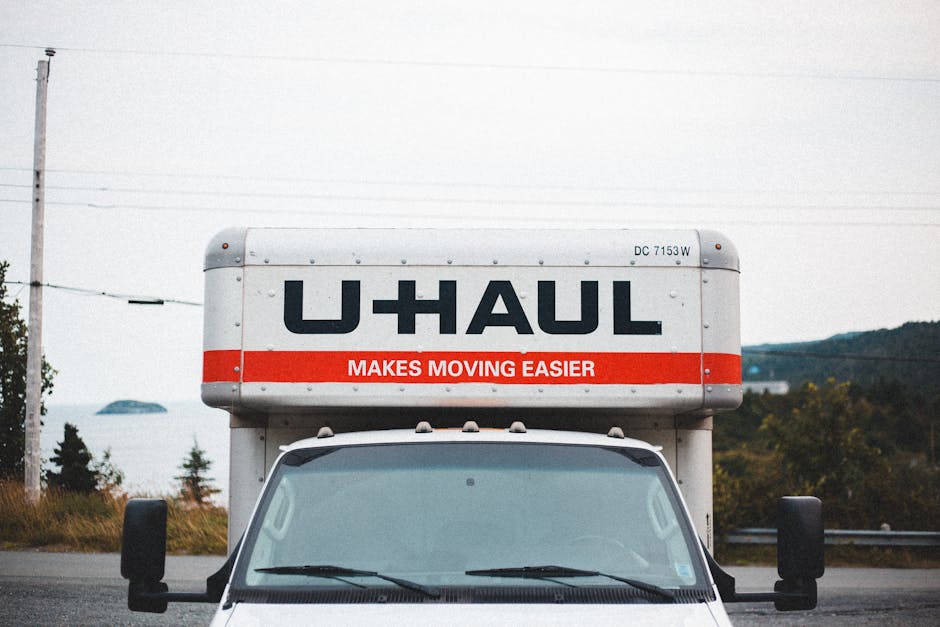
Why Avoid parking fines when moving in Plaistow Matters
Parking fines can turn a moving day from manageable to messy very quickly. Even a small penalty can feel disproportionate when you are already paying for boxes, fuel, van hire, and possibly storage. More importantly, a parking issue can cause knock-on problems: delayed unloading, extra carrying distance, blocked access, missed time slots, and pressure on everyone involved.
In Plaistow, the issue is not just cost. It is geography. Residential streets, busy roads, controlled parking areas, and the everyday rhythm of London traffic mean that "I'll just stop here for a minute" is rarely a safe plan. One neighbour may be trying to leave for work, another may already have a permit space, and a commercial vehicle may need more room than a private car. That all adds up.
There is also a human side to it. If the van ends up too far away from your door, movers spend more time walking furniture and less time loading. The kettle feels miles away. The sofa suddenly seems heavier. And everyone gets a bit more tired, which is exactly when mistakes happen. A well-planned parking setup is one of those unglamorous moving tasks that pays off immediately.
Expert summary: If you want a calmer move, treat parking as part of the moving plan, not an afterthought. The closer and more predictable the access, the less likely you are to face fines, delays, or damaged items.
How Avoid parking fines when moving in Plaistow Works
At a practical level, avoiding fines comes down to understanding where the vehicle can legally stop, how long it can remain there, and what the local restrictions are on the day of the move. You do not need to become a parking expert, but you do need a working plan before the van arrives.
Most moving-day parking problems happen because one of four things goes wrong:
- The vehicle stops in a restricted area without checking the rules.
- A bay is used longer than permitted.
- The driver assumes loading is allowed everywhere for as long as needed.
- No one has planned for congestion, street width, or access to the front door.
That may sound obvious, but under moving-day pressure, obvious things get missed. A box goes missing, a front door is held open, the neighbour's car blocks half the curb, and suddenly the driver is making a snap decision. That is the moment fines are born.
The safer approach is to decide in advance whether you need a permit, a loading arrangement, a suspended bay, or simply a legal place to unload while the move is in progress. If you are using professional help, it is worth checking the access plan early. Services such as removal services in Plaistow or man and van support are often chosen partly because they can help with the logistics, not just the lifting.
Key Benefits and Practical Advantages
Getting parking right is not only about dodging a penalty. It improves the whole moving process in ways people sometimes underestimate until they are halfway through carrying a wardrobe down the stairs.
- Less stress: Everyone works better when the van is where it should be.
- Faster loading and unloading: Shorter walking distances mean fewer trips and less fatigue.
- Lower risk of damage: Furniture is safer when it is moved in shorter, clearer paths.
- Better neighbour relations: A tidy, respectful setup makes life easier for everyone on the street.
- More predictable costs: Avoiding fines helps keep the budget under control.
- Improved timing: If you have a lifting window or tenancy handover, you are less likely to overrun.
There is another advantage that gets missed: confidence. When the vehicle is legally and sensibly positioned, the rest of the move tends to feel more organised. You can focus on the practical work, not on whether a warden is about to appear from around the corner. That quiet bit of reassurance matters more than people think.
Who This Is For and When It Makes Sense
This advice is useful for almost anyone moving in the area, but it is especially relevant if any of the following apply:
- You are moving from or to a flat with limited street access.
- You live on a busy road with few nearby spaces.
- Your move involves a commercial van or a larger vehicle.
- You are moving during peak traffic hours.
- You have bulky items such as wardrobes, white goods, or a piano.
- You are trying to coordinate movers, family, and key handover times.
Students, renters, families, and small businesses all face the same issue in different ways. A student move may involve a quick turnaround and a small van. A family house move may need a much larger vehicle and longer loading time. Office moves bring their own complications, especially where building access or pavement restrictions are involved. If that sounds familiar, office removals in Plaistow and house removals in Plaistow are worth considering as part of the planning stage.
It also makes sense if you are moving on a tight schedule. Same-day or short-notice relocations leave very little room for trial and error. That is where same-day removals in Plaistow can be especially useful, because parking and loading need to be handled efficiently from the start.
Step-by-Step Guidance
Here is a simple, practical sequence you can follow. Nothing fancy. Just the stuff that stops problems before they start.
- Check the street conditions early. Look at where vehicles can stop, whether there are marked bays, and whether access is likely to be tight. If possible, check at the same time of day as your move.
- Work out the vehicle size you really need. A van that is too small may require extra runs. A van that is too large may be harder to position safely. Matching the van to the load is a simple win.
- Decide on the loading point. The closest legal point to your property is usually best, but not always obvious. Sometimes the best option is a slightly longer carry from a legal space rather than risking a short illegal stop.
- Prepare items before the van arrives. Boxes sealed, furniture protected, and fragile items separated. If you are still wrapping plates while the engine is idling outside, the whole schedule starts to wobble.
- Assign someone to watch the vehicle if needed. This is not about being dramatic. It is about keeping an eye on loading, door movement, and any sudden change in parking conditions.
- Allow a little extra time. The unexpected always appears. A parked car, a neighbour asking a question, a mattress that refuses to go round a corner. Always.
- Keep the communication clear. Tell the driver exactly what the plan is, where to stop, and which entrance to use. A few clear sentences save a lot of wandering back and forth.
If your move includes awkward furniture, it is worth thinking about item-specific handling as well. For example, bulky sofas benefit from careful preparation, and this guide on storing a sofa properly can help if you are splitting your move into stages. For delicate, heavy, or unusually shaped items, furniture removals in Plaistow can reduce the risk of damage and wasted effort.
Expert Tips for Better Results
A few small choices make a surprisingly large difference. These are the kind of details professionals think about automatically, but they are easy to overlook when you are doing it yourself.
1. Aim for the shortest legal carry, not just the nearest curb
The closest space is not always the best one. If it is awkward to reverse into, blocks traffic, or sits near a junction, the stress may outweigh the benefit. A slightly longer carry from a clear, lawful position is often the smarter option.
2. Avoid peak congestion where possible
Morning school traffic, commuter rush, and delivery-heavy periods can make a short move unexpectedly slow. If you can choose the start time, try to avoid the worst overlap. Even a 30-minute shift can help.
3. Separate parking planning from packing planning
People often think these are the same thing. They are not. Packing well helps the move. Parking well helps the van. You need both. A great packing system is still awkward if the vehicle is stuck half a street away. For load organisation ideas, see creative packing solutions for moving houses.
4. Keep one person in charge of access
On moving day, too many voices can turn a simple problem into a muddle. One person should know where the van is, where the keys are, and what the next step is. It sounds basic. It works.
5. Protect the route as well as the parking space
Think about stairs, doorways, footpaths, and any narrow turns between the van and the property. If the route is messy, the vehicle location alone will not save the day.
6. Use professional help for difficult loads
For heavy or fragile items, proper handling matters. A piano, for example, is not just another box with legs. If that is part of your move, read about the hidden dangers of moving a piano alone and consider piano removals in Plaistow if you want a safer, calmer process.
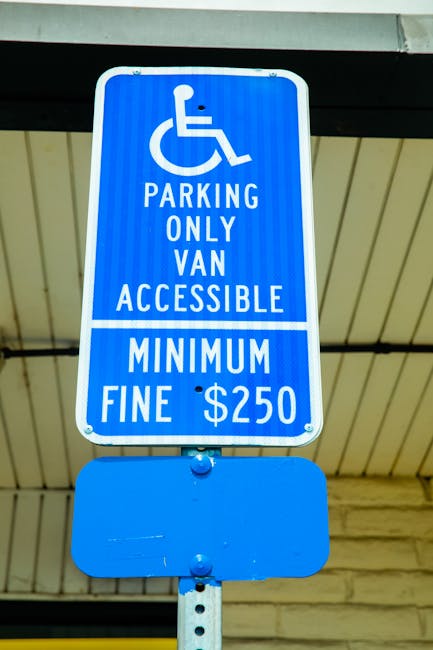
Common Mistakes to Avoid
These are the errors that tend to trigger fines or make a move unnecessarily difficult. Some are obvious in hindsight. Most are made under pressure.
- Assuming loading is always allowed: Loading rules are not the same everywhere and not every stop is fair game.
- Leaving parking until the van arrives: By then, the options may already be limited.
- Blocking driveways or dropped kerbs: Even if it feels temporary, it can cause complaints fast.
- Forgetting about neighbours: A van across a shared access point can quickly create conflict.
- Not planning for weather: Rain changes everything. Wet boxes, slippery pavements, and slower carrying all increase the risk of delays.
- Underestimating bulky furniture: A bed frame or freezer takes more space, more time, and more care than you might expect. If you are moving those items, these practical guides on bed and mattress transport and freezer storage are worth a look.
- Ignoring the return journey: Unloading at the new place also needs legal access. People forget that bit all the time.
A small honest note here: even experienced movers occasionally get caught out by a poorly parked van or a street that looks easier than it actually is. Moving is full of "that should be fine" moments. Usually, those are the ones that bite.
Tools, Resources and Recommendations
You do not need a truckload of gear to handle parking properly, but a few practical tools make life easier.
- Measuring tape: Useful for checking doorway clearance, stair width, and item size against vehicle space.
- Notebook or phone notes: Keep the access plan, timing, and key contact details in one place.
- Labels and coloured tape: Helpful for organising loads so the fastest-unload items come off first.
- Protective packing materials: Blankets, wraps, and sturdy boxes reduce the chance of delays caused by damage.
- Removal trolley or sack truck: Especially useful if the legal parking point is a little further from the door than you hoped.
For many households, the best resource is simply a well-structured move. If you want a broader planning view, the guide to an uneventful house move is a strong starting point. If you are decluttering before the move, thoughtful decluttering advice can reduce the load and therefore reduce parking pressure as well. Less stuff, less stress. Nice and simple.
If you need extra capacity, a removal van in Plaistow may be a better fit than using a smaller vehicle that needs repeated trips. And if you are still comparing options, removal companies in Plaistow can help you weigh up access, vehicle size, and service levels.
Law, Compliance, Standards, and Best Practice
This section needs a careful tone. Parking rules can vary depending on the exact street, bay type, road markings, and local restrictions in force at the time. So the safest approach is to treat parking as something to verify, not guess.
Best practice usually includes the following:
- Do not stop where the vehicle would clearly obstruct traffic, driveways, crossings, or emergency access.
- Respect loading restrictions, permit zones, and any time-limited bay use.
- Check whether the property access is shared or narrow enough to require extra care.
- Plan for pedestrians, especially where furniture is being carried across pavements.
- Keep the setup tidy and as brief as practical.
From a standards perspective, safe moving practice is not just about parking law. It is also about reducing risks to people and property. That includes the vehicle, the load, the pavement, and the route into the home. A professional outfit should also have sensible procedures around insurance and safety, and it is reasonable to ask about those details before moving day. You can review insurance and safety information and health and safety policy details to understand the approach more clearly.
If your move involves a building with specific rules, or a landlord who wants an exact loading window, be a little more cautious than usual. Keep the communication written if possible. It saves confusion later. And if access is tight, make sure you are clear on what is and is not included in the move. Small details matter. They really do.
Options, Methods, or Comparison Table
There is no single perfect way to handle moving-day parking, but some methods are much safer and more efficient than others. Here is a simple comparison.
| Approach | Best for | Pros | Cons |
|---|---|---|---|
| Unplanned curbside stop | Very rare, low-pressure situations | Quick in the moment | Highest risk of fines, delays, and conflict |
| Carefully checked legal parking | Most residential moves | Lower risk, more predictable | May involve a longer carry |
| Reserved or arranged access | Large, timed, or complex moves | Best control over timing and loading | Needs advance organisation |
| Professional move with access planning | Busy streets, flats, and heavy furniture | Efficient and practical, often less stressful | Higher upfront service cost than doing everything yourself |
If you are weighing up methods, the middle two options are usually the sweet spot for most people in Plaistow. Pure improvisation is where parking fines and frustration tend to live. Not a great neighbourhood for your move, frankly.
Case Study or Real-World Example
Here is a realistic example based on the sort of moving situation many people face. A couple moving out of a first-floor flat in Plaistow had a van booked for early afternoon. They assumed they could stop right outside the building, but the road was already busy and the nearest space was limited by nearby parking pressure. Instead of panicking, they shifted the van a short distance to a legal position, used trolleys for the heavier boxes, and split the load into two clear runs.
Was it the absolute closest point? No. Was it the easiest? Also no. But it was legal, controlled, and calm enough to avoid a fine. They had prepared by labelling boxes, separating essentials, and keeping the hallway clear. Because they were not trying to improvise at the last second, the carry distance was manageable and the move stayed on schedule.
The lesson is simple: a good move is not always the one with the van parked directly outside the front door. It is the one where the vehicle is legally placed, the load is organised, and the team knows what happens next. That little bit of discipline saves a lot of faff.
If the move had involved a piano or very heavy furniture, the same couple would likely have needed specialist help. For those situations, piano removals in Plaistow or furniture removals would make sense because the safest parking choice is often tied to the lifting plan as well.
Practical Checklist
Use this checklist the day before and the morning of the move. It keeps the process grounded.
- Confirm the move time and any access restrictions.
- Check the exact loading point and a backup option.
- Make sure the van size matches the amount of furniture and boxes.
- Prepare boxes, labels, and protective wrapping in advance.
- Keep pathways, hallways, and the front door clear.
- Confirm who is responsible for watching the vehicle and managing access.
- Allow extra time for traffic, stairs, weather, and unexpected delays.
- Protect bulky items and know which pieces need specialist handling.
- Check the new address too, not just the old one.
- Keep contact numbers handy in case the plan needs a quick adjustment.
Quick reminder: if your move is large, awkward, or time-sensitive, it is often better to spend ten minutes planning parking than ten days dealing with the consequences of a mistake. Slight exaggeration? Maybe. But not by much.
Conclusion
The best way to avoid parking fines when moving in Plaistow is to treat access and parking as part of the move itself, not a separate problem to sort at the last second. Check the road, choose a legal position, plan the route, and make sure the van, load, and timing all work together. That is how you stay in control.
For many people, the difference between a stressful move and a decent one comes down to this single question: where will the vehicle stop, and is that stop genuinely workable? Once you answer that properly, everything else gets easier. The boxes move faster. The team settles. The day feels less like a scramble and more like a plan.
And if you would rather not juggle parking, heavy lifting, and last-minute adjustments on your own, it makes sense to get support from a local team that understands Plaistow streets and moving-day realities.
Get a free quote today and see how much you can save.
A careful move has a way of feeling lighter, even before the first box is lifted.